
In this article, I introduce a patent related to a device for enhancing alcohol drinking satisfaction through spraying, focusing on how aroma dispersion and sensory engagement are translated into a technically structured and practical system design.
- Introduction: Elevating the Drinking Experience via Aroma Sprays
- What the Patent Drawing Shows
- How the Spraying and Airflow Mechanism Works
- Benefits for Beverage Brands, Drinkers, and Hospitality Settings
- Engineering & Human-Sensation Considerations
- Patent Attorney’s Thoughts
- Application of the Technology: Atmospheric Flavor Sculpting and Psycho-Gustatory Modulation Systems
Introduction: Elevating the Drinking Experience via Aroma Sprays
The enjoyment of alcoholic beverages relies heavily on aroma, taste, and sensation. This patent drawing introduces a device for enhancing alcohol drinking satisfaction through spraying, featuring internal airflow and spray channels built into a drinking vessel to amplify aroma and sensory impact.
What the Patent Drawing Shows
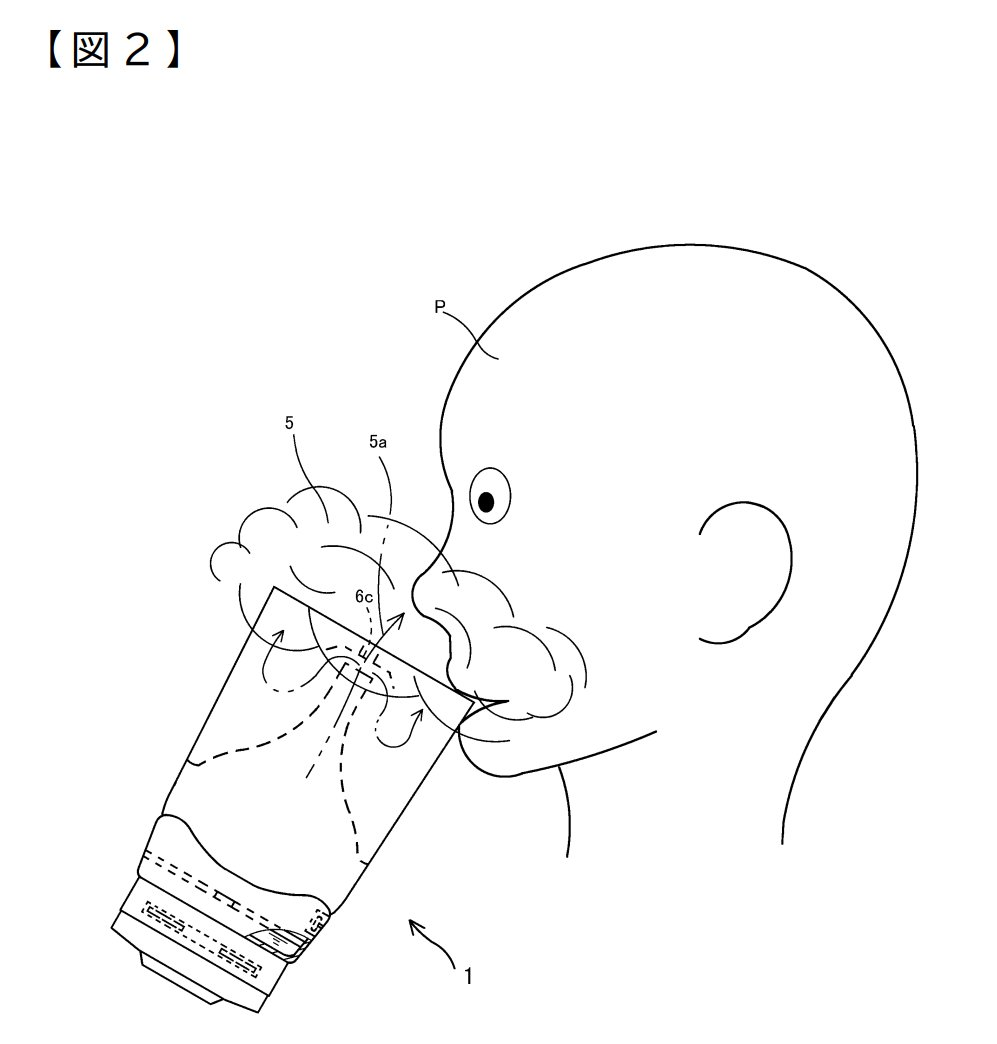
The diagram illustrates a drinking container with specialized features:
- A holding vessel equipped with internal airflow channels and spray nozzles
- An opening positioned near the nose of the drinker to direct aroma upward
- Spray mechanisms that release fine mist or micro-droplets of alcohol vapor or aroma compounds
- Air intake and exhaust passages configured to promote upward aroma flow
- A structural layout optimized for immersive drinking engagement
The beverage vessel becomes a sensory enhancer, not just a container.
How the Spraying and Airflow Mechanism Works
The device functions as follows:
- The drinker lifts the glass and the sprayed mist is directed toward the nose
- Internal airflow channels regulate the direction and intensity of the aerosol
- Aroma compounds or alcohol vapor are dispersed precisely to heighten aroma delivery
- The user perceives stronger fragrance and thus an enriched flavor experience
- Adjustable spray and airflow parameters allow customization for different alcohol types
It transforms each sip into a carefully curated sensory burst.
Benefits for Beverage Brands, Drinkers, and Hospitality Settings
- Amplifies perceived quality of high-end spirits or craft beers
- Enables flavor enhancement without increasing alcohol content
- Offers a distinctive serving experience in bars, restaurants, and luxury settings
- Customizable settings allow tailored experiences per user or drink type
- Encourages social sharing and novelty appeal
A refined drinking platform built on sensory orchestration.
Engineering & Human-Sensation Considerations
- Spray droplet size must avoid overwhelming or irritating the user
- Airflow channels should remain unobtrusive yet effective
- Materials must be food-safe and compatible with alcohol vapors
- Cleaning and maintenance must suit hospitality environments
- User controls for spray strength and direction must be intuitive and safe
Precision mechanics meets user comfort.
Patent Attorney’s Thoughts
Flavor is made memorable through context and interaction.
By embedding aerosol enhancement into the very vessel, this invention invites drinkers into a holistic experience—where scent, sip, and structure unify to elevate enjoyment.
Application of the Technology: Atmospheric Flavor Sculpting and Psycho-Gustatory Modulation Systems
Original Key Points of the Invention
- A device that sprays fine aromatic mist near the user’s mouth while drinking alcohol.
- The spray synchronizes with sipping motions to enhance perceived flavor and satisfaction.
- Control of droplet size, aroma concentration, and timing creates an augmented drinking experience.
- The system amplifies alcohol enjoyment without increasing actual alcohol content.
Abstracted Concepts
- Modulating perception by altering the atmosphere immediately around the user’s sensory field.
- Synchronizing micro-mist output with human gestures.
- Using scent-based augmentation to shift emotional and gustatory experience.
- Creating “virtual flavor layers” that are independent of the real liquid.
Transposition Target
- A system that sculpts personal atmospheric micro-environments—mist domes, emotional scentscapes, or cognitive enhancer clouds—triggered automatically by user behaviors.
Concrete Realization
A wearable collar or pendant emits micro-mists that change according to activity: reading, relaxing, walking, socializing.
When the user turns a page, a calm cedar mist appears; when exercising, a refreshing ionized citrus cloud forms; when meditating, a deep earthy vapor surrounds the head like an aura.
The system reads posture, breathing, and gaze direction, dynamically shaping the “emotional climate” around the user.
Flavor enhancement becomes a broader concept: a personal atmosphere that adjusts cognition, mood, and sensory vividness.
↓Related drawing↓