In this article, we introduce a patent related to a sleep monitoring system featuring interactive elements with the iconic character Mario, focusing on how the inventor translated a playful concept into a technical structure.
- Introduction: Turning Sleep Tracking Into a Playful Mario Experience
- What the Patent Drawing Reveals About the Character-Linked Interface
- How the Mario-Based Engagement Mechanism Works
- Benefits for Children, Gamers, and Habit-Formation Systems
- Design and Behavioral Engineering Considerations
- Patent Attorney’s Thoughts
- Application of the Technology: Narrative-Embedded Somno-Immersive Companions and Adaptive Sleep-Rhythm Ecosystems
Introduction: Turning Sleep Tracking Into a Playful Mario Experience
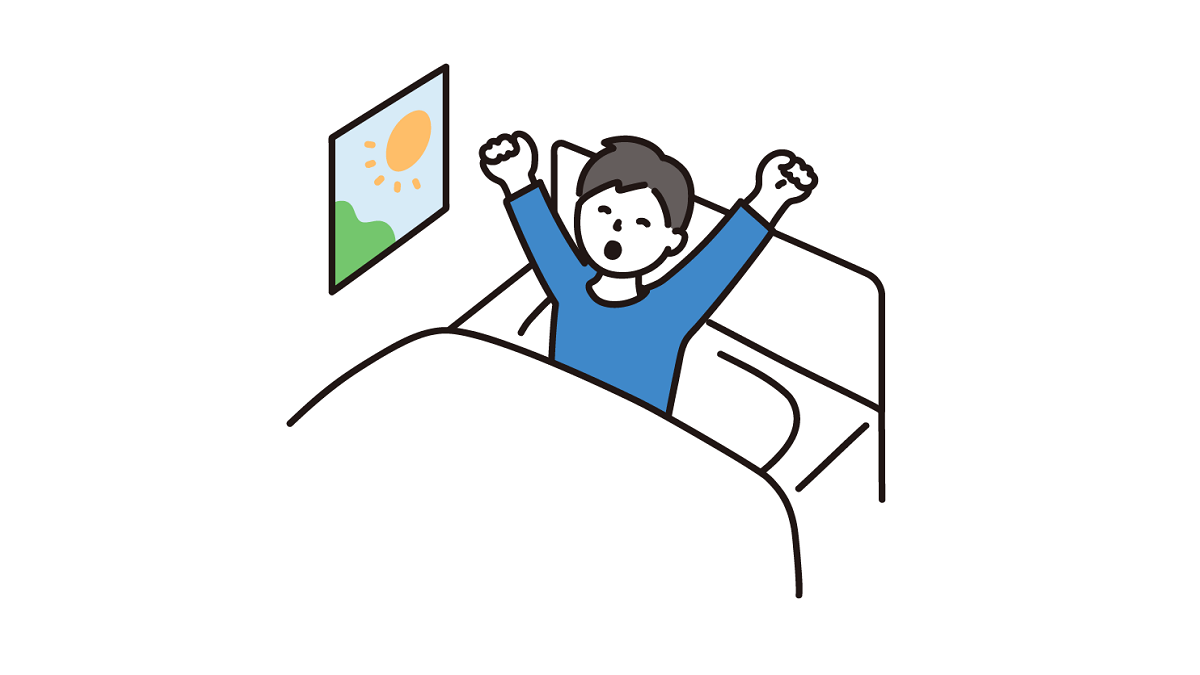
Sleep-monitoring devices are typically clinical or purely functional. This patent drawing proposes a more emotional and engaging approach—a sleep monitoring system that interacts with a Mario character, using animations, feedback, and game-style elements to motivate healthier sleep habits.
What the Patent Drawing Reveals About the Character-Linked Interface
The illustration presents a hybrid system combining data analysis with character interaction:
- A wearable or bedside sensor that tracks sleep duration and body movement
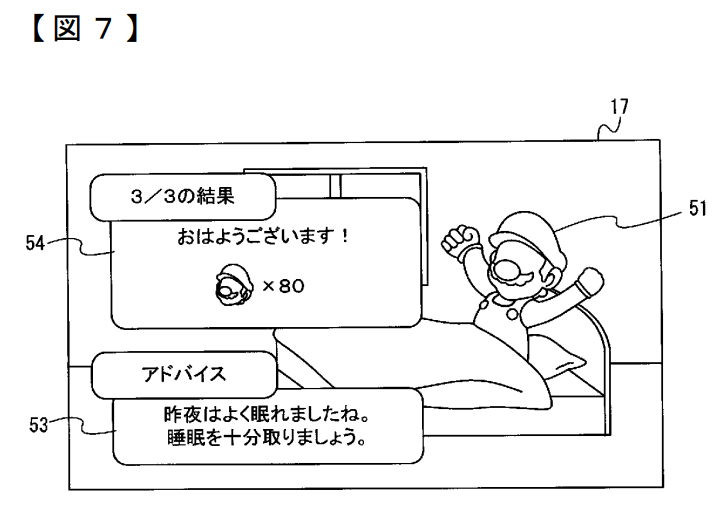
- A display that features Mario in different sleep-related poses
- Icons that visualize sleep quality, such as stars, coins, or health symbols
- A results window with detailed metrics presented in game-inspired graphics
- A progress element showing Mario powering up as sleep quality improves
The system transforms sleep data into an approachable, motivational narrative.
How the Mario-Based Engagement Mechanism Works
The mechanism adds gamified feedback to routine sleep tracking:
- Sleep sensors collect movement, duration, and restfulness
- Mario’s on-screen expression or animation changes according to the data
- High-quality sleep may show Mario jumping, leveling up, or gaining items
- Poor sleep may display a tired Mario, prompting the user to adjust habits
- Users can review nightly data like “levels” or “attempts,” encouraging ongoing improvement
The character becomes a friendly companion rather than a passive display.
Benefits for Children, Gamers, and Habit-Formation Systems
- Makes sleep tracking enjoyable for kids and Mario fans
- Encourages consistent bedtime routines through positive reinforcement
- Reduces stress or reluctance associated with health monitoring
- Useful for parents seeking gentle behavioral guidance
- Provides a template for character-driven digital health tools
Turning data into story boosts motivation.
Design and Behavioral Engineering Considerations
Key points include:
- Clear visualization of data without overwhelming users
- Emotionally readable Mario animations for quick understanding
- Stable sensor accuracy for meaningful feedback
- Balance between playful gamification and health integrity
- Customizable goals for different age groups
Design must respect both entertainment and health contexts.
Patent Attorney’s Thoughts
Health data becomes more meaningful when it feels personal.
By letting Mario “sleep” with the user, this system transforms nightly rest into a shared story—making improvement feel fun rather than obligatory.
Application of the Technology: Narrative-Embedded Somno-Immersive Companions and Adaptive Sleep-Rhythm Ecosystems
Original Key Points of the Invention
- A sleep monitoring system integrates interaction with a Mario character avatar.
- Sensor data about sleep phases is linked to character responses, animations, and dialogue.
- The system communicates sleep quality information through engaging narrative interactions.
- Aims to motivate users to improve sleep habits via playful digital companionship.
Abstracted Concepts
- Merging biometric monitoring with narrative interaction (story + data).
- Translating internal physiological states into expressive companion feedback.
- Using familiar characters to create emotional attachment and sustained engagement.
- Crafting digital behavior that responds dynamically to bodily rhythms.
Transposition Target
- An adaptive, narrative-integrated somno-ecosystem where characters evolve, interact, and co-experience sleep cycles with users—shaping sleep behavior, psychology, and dream environments.
Concrete Realization
A constellation of avatar companions (not just Mario-like figures but dream-world beings) lives in a personalized sleep ecosystem.
As the user transitions through sleep phases—light, deep, REM—these companions not only reflect data but inhabit the dream-environment narrative:
- In deep sleep, companions gather around a cosmic campfire and “tell” restful tales.
- In restless periods, they softly sing lullabies or rearrange dream landscape geometry.
- Upon waking, they gently narrate the night’s “dream story,” linking patterns to mood, stress, and creativity cycles.
The system becomes more than a tracker—
it is an emotionally bonded dream co-pilot, shaping both sleep habits and the subjective quality of the inner night journey.
Biometric signals become story triggers, and the dream world becomes a dynamic avatar ecosystem.
↓Related drawing↓