- Introduction: Why Add Splash Protection to a Roller Coaster Seat?
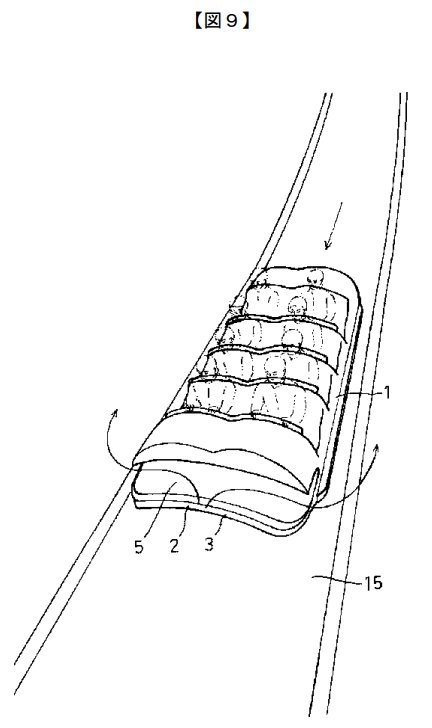
- What the Patent Drawing Reveals About the Seat Structure
- How the Splash-Protection Mechanism Works
- Benefits for Theme Parks and Riders
- Engineering Considerations
- Patent Attorney’s Thoughts
- Application of the Technology: “Splash-Controlled Amusement Ride Seating Platform”
- Final Reflections
Introduction: Why Add Splash Protection to a Roller Coaster Seat?
Thrill rides often combine speed, water, and sudden drops—but water splashing directly onto the rider can cause discomfort, obstruct vision, or reduce safety. This patent drawing introduces a water-resistant roller coaster seat equipped with protective features designed to minimize unwanted splashes during high-speed motion. The invention maintains excitement while improving the practical comfort of water-based attractions.
What the Patent Drawing Reveals About the Seat Structure
The illustration highlights a seat designed to repel water through structural form:
- A high-back seat contour that blocks backward splashes
- Side shields that reduce water intrusion
- A raised seat base preventing pooled water
- Front curvature deflecting upward water jets
- Water-guiding ridges that divert flow away from the rider’s body
The entire geometry functions as a passive splash-control system.
How the Splash-Protection Mechanism Works
The device relies on strategic shaping rather than active components:
- As the coaster moves, incoming water hits the shield contours
- Curved surfaces redirect water to the sides
- Seat ridges prevent pooling beneath the rider
- High-back protection stops rearward splash impact
- The system works automatically, requiring no maintenance
It turns surface design into functional safety.
Benefits for Theme Parks and Riders
- Reduces excessive wetness, improving comfort
- Keeps water away from eyes and face during drops
- Decreases seat maintenance between rides
- Enhances safety by maintaining clear forward visibility
- Supports thematic rides without compromising enjoyment
The result is a better and more consistent ride experience.
Engineering Considerations
Important aspects include:
- Hydrodynamic shaping for efficient water deflection
- Structural strength compatible with coaster safety standards
- Durable water-resistant materials
- Drainage pathways for quick drying
- Ergonomics that maintain comfort despite added shielding
Design must balance protection, durability, and rider experience.
Patent Attorney’s Thoughts
Water is unpredictable, especially when propelled at speed.
By sculpting surfaces to guide its motion, this design transforms chaos into a controlled phenomenon—allowing excitement to remain while discomfort fades.
It is a reminder that clever geometry often solves what force alone cannot.
Application of the Technology: “Splash-Controlled Amusement Ride Seating Platform”
Purpose
To enhance rider comfort and visibility by minimizing direct water splash through passive seat shaping.
System Components
- High-back water shield
- Side splash barriers
- Curved front splash deflector
- Water-drainage seat base
- Structural support frame
Operational Flow
- Water impact occurs during the ride.
- Surfaces deflect water outward.
- Rider remains relatively dry and safe.
- Seat drains accumulated water.
- System resets naturally for the next rider.
Final Reflections
This invention uses careful shaping to manage splashes—preserving the thrill while protecting the rider.
Disclaimer: This content is an AI-generated reinterpretation based on a patent drawing.
It is provided for educational and cultural purposes only, and not as legal advice.
↓Related drawing↓