

- Introduction: Why Modern Interfaces Need Smarter Dialogue Systems
- What the Patent Drawing Reveals About the Dialogue Interface
- How the Interactive Conversation Mechanism Works
- Benefits for Games, Education, and Digital Storytelling
- Engineering Considerations
- Patent Attorney’s Thoughts
- Application of the Technology: “Dynamic Virtual Dialogue Interaction Platform”
- Final Reflections
Introduction: Why Modern Interfaces Need Smarter Dialogue Systems
In games, virtual assistants, and educational apps, communication is no longer one-way. Users expect responsive, personality-driven interactions. This patent drawing presents an interactive dialogue selection system designed for virtual characters, enabling smoother, more dynamic exchanges. Through structured choices and real-time responses, the system elevates digital conversation from simple menus to engaging experiences.
What the Patent Drawing Reveals About the Dialogue Interface
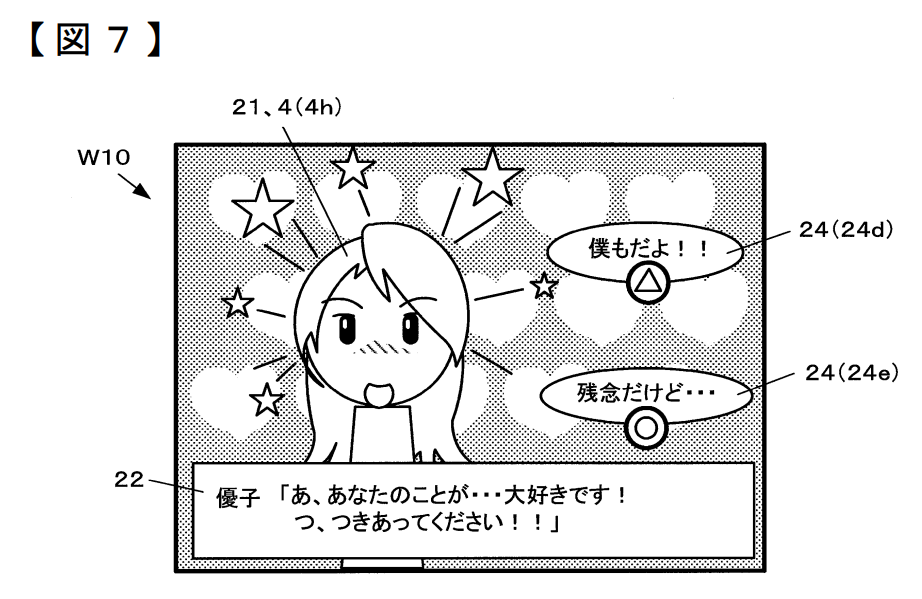
The illustration highlights a structured but expressive communication UI:
- A virtual character (A) displayed on screen
- Multiple dialogue choice boxes (B, C, D) arranged for intuitive selection
- Icons or emotional indicators shaping conversational tone
- A dynamic flow where choices influence the next scene
- A logic layer determining branching paths
The interface blends player agency with character personality.
How the Interactive Conversation Mechanism Works
The system enables branching dialogue through:
- A choice-selection module that captures user inputs
- A script engine that maps input to predefined responses
- A state machine that updates character mood or scenario
- Visual transitions to reflect tone (friendly, serious, humorous)
- A feedback loop that adjusts future options based on past choices
In essence, it creates a digital conversation that feels alive.
Benefits for Games, Education, and Digital Storytelling
- Enhances immersion through emotionally dynamic exchanges
- Allows learners to practice language, negotiation, or social skills
- Enables richer story branching than fixed dialogue trees
- Gives virtual characters believable reactions
- Improves user retention with interactive progression
It transforms static dialogue into a co-created narrative.
Engineering Considerations
Key points needed to implement this system:
- Responsive UI layout for fast user input
- Script management to avoid dead ends
- Character animation tied to dialogue choices
- Memory tracking for long-term conversational change
- Cross-platform implementation for games or apps
Good dialogue systems require both design and narrative engineering.
Patent Attorney’s Thoughts
Communication, even digital, relies on rhythm and choice.
By giving users branching paths that shape the character’s next words, this invention turns dialogue into a shared performance—half design, half discovery.
Application of the Technology: “Dynamic Virtual Dialogue Interaction Platform”
Purpose
To enable interactive communication with virtual characters through selectable dialogue options.
System Components
- Dialogue choice presentation module
- Script and branching engine
- Conversational state manager
- Character display and animation UI
- User interaction processor
Operational Flow
- Display virtual character.
- Present dialogue choices.
- User selects a response.
- Script engine generates the next line.
- Character reacts and the cycle continues.
Final Reflections
This invention elevates digital conversation—making virtual characters feel expressive, reactive, and meaningfully interactive.
Disclaimer: This content is an AI-generated reinterpretation based on a patent drawing.
It is provided for educational and cultural purposes only, and not as legal advice.
↓Related drawing↓