

- Introduction: Why Add Raised Patterns to a Seasoning Pouring Plate?
- What the Patent Drawing Reveals About the Raised Structure
- How the Fluid-Control Mechanism Works
- Benefits of a Raised-Pattern Seasoning Plate
- Engineering Considerations
- Patent Attorney’s Thoughts
- Application of the Technology: “Micro-Topographic Seasoning Control Plate”
- Final Reflections
Introduction: Why Add Raised Patterns to a Seasoning Pouring Plate?
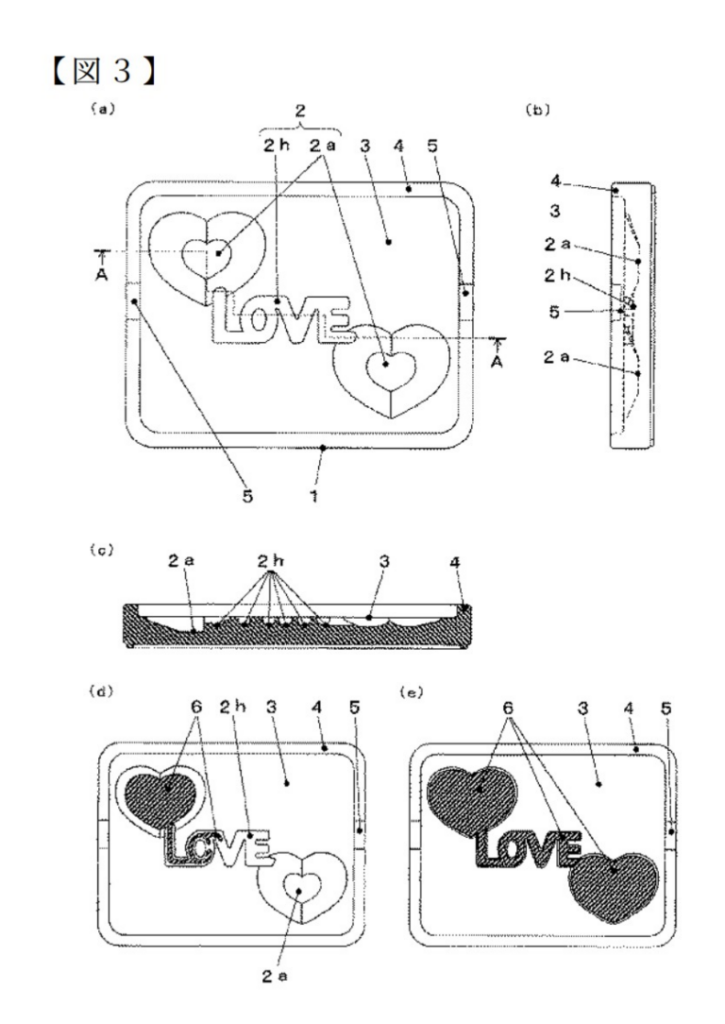
Liquid seasonings such as soy sauce, vinegar, and dressings tend to spread unevenly across flat plates, causing oversaturation or spilling. This patent drawing introduces a seasoning-pouring plate equipped with raised surface designs that guide fluid flow, control pooling, and enhance both function and presentation. It transforms a simple plate into a tool for precise seasoning control.
What the Patent Drawing Reveals About the Raised Structure
The illustration highlights an intelligently designed plate featuring:
- A shallow dish shape to hold liquid seasonings
- Raised ridges or embossed patterns along the surface
- Channels that guide fluid movement
- A textured center area for controlled pooling
- Slight slopes or gradients for directional flow
These structural patterns are engineered to prevent sudden spreading and improve usability.
How the Fluid-Control Mechanism Works
The raised elements influence the behavior of liquid through subtle mechanical guidance:
- When seasoning is poured, ridges slow down flow speed
- Channels route liquid toward the central area
- Embossed patterns break the fluid surface tension, preventing runaway spreading
- Slight slopes allow gentle gathering without mixing unintended flavors
- Users can dip or pour with greater precision
It is a design that uses micro-topography to shape movement.
Benefits of a Raised-Pattern Seasoning Plate
- Prevents spills and over-pouring of liquid sauces
- Improves flavor balance by controlling distribution
- Enhances plating presentation with structured patterns
- Useful for sushi, dumplings, snacks, or tasting plates
- Reduces mess for children or elderly users
The plate becomes both a functional device and a subtle design object.
Engineering Considerations
- Height, spacing, and angle of raised ridges
- Material selection for food-safe embossing
- Resistance to staining and heat
- Cleaning ease despite textured geometry
- Manufacturing precision for consistent performance
Micro-level design influences macro-level usability.
Patent Attorney’s Thoughts
There is a quiet elegance in guiding something as fluid as seasoning.
This design uses small, deliberate shapes to bring order to movement—turning a simple plate into a thoughtful companion to taste.
Such inventions remind us that refinement often comes from attending to the smallest details.
Application of the Technology: “Micro-Topographic Seasoning Control Plate”
Purpose
To regulate the movement and pooling of liquid seasonings through raised geometric patterns.
System Components
- Shallow dish surface
- Embossed ridges and channels
- Central pooling zone
- Directional slopes
- Food-safe structural material
Operational Flow
- Liquid seasoning is poured onto the plate.
- Raised patterns slow and redirect fluid flow.
- Channels guide liquid toward the designated zone.
- Users dip or distribute seasoning with precision.
- The plate maintains consistent, controlled liquid behavior.
Final Reflections
This invention elevates the dining experience by marrying geometry with flavor—shaping movement through design.
Disclaimer: This content is an AI-generated reinterpretation based on a patent drawing.
It is provided for educational and cultural purposes only, and not as legal advice.
↓Related drawing↓